

Blog

Tips for Extending the Life of Your Used Car

A person uses a yellow cloth to wipe down a silver car.

Used cars have always been a great way to get into a Lincoln without breaking the bank. And with all the advancements in automotive technology, today's used cars are far more reliable and higher-quality than they used to be a decade or so ago.

But that doesn't mean you don't still have to take good care of your used Lincoln to ensure you get the most out of it. Here are some tips for how to extend the life of your used car.

Perform Regular Maintenance

It's no secret that the most important way to keep your car running smoothly is to stay on top of regular maintenance. Oil changes, tire rotations, brake pad service and more are crucial to the long-term function of your car.

Don't Ignore Lights and Alerts

Everyone knows that feeling when your check engine light suddenly pops on, or a new indicator appears on the dashboard you haven't even seen before. While some drivers brush off these warning lights, it can seriously cost them down the road.

Don't ignore the signs-bring your car into our Lincoln service center and we can diagnose the issue.

Check Your Fluids and Filters

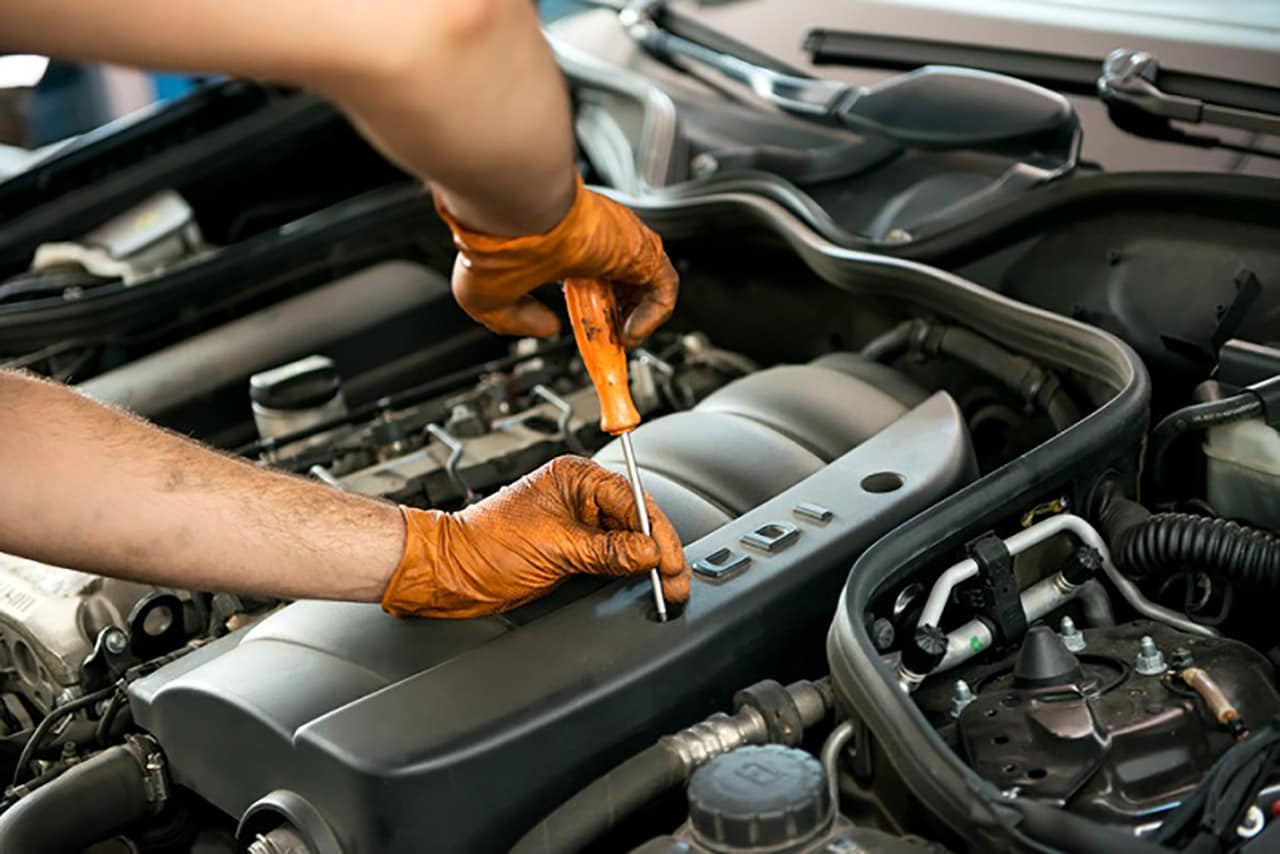
Engines and cars require a lot of different types of fluid to run properly and having low fluid levels or old oil running in your car can be detrimental. Even if you don't know how to check the fluids beyond your oil, have your car inspected regularly to ensure the filters are clean and fluids are fresh and topped off.

If you want to learn more about how to maintain your used car, the technicians at our dedicated service center are always happy to help you schedule a visit. Call us today to learn more.

Recommended Posts

Hello world!

Welcome to WordPress. This is your first post. Edit or delete it, then start writing!

Know Your Lincoln Parts: Car Engine FAQs

Know Your Lincoln Parts: Car Engine FAQs

In order to take great care of your Lincoln vehicle, it pays to know how it works. While you don't need to become an expert, understanding major Lincoln parts is a smart idea. Here are some basics about your engine: How Does it Work? Your vehicle utilizes an internal combustion engine. This takes the heat generated from burning gas to create torque. This torque is then sent to the wheels to get the car moving. Engines are comprised of many parts that all work in conjunction with one other. These include the engine block, pistons, and crankshaft. The pistons move up and down to spin the crankshaft, which gets the wheels going. How Many Different Types of Engines are There? All gas-powered cars have internal combustion engines, but there are many varieties. Turbo- and supercharged engines, for example, provide additional power, as they are designed to pump extra air into the engine, which results in more oxygen and more fuel to burn. Diesel engines also offer increased power - and torque - but they don't have sparkplugs. Engines also come with a different number of cylinders. The more of these you have, the faster that crankshaft gets turned, which results in more power. What's the Best Way to Maintain an Engine? One of the great things about an engine is that you don't have to worry about it too much, as it mostly can take care of itself. However, regular maintenance is vital, and this has to include oil changes. When fresh oil flows through the engine, this ensures that it runs as cleanly and efficiently as possible, which boosts both performance and gas mileage. Is your Lincoln due for an oil change? Just make an appointment with the service center at Lincoln of New Bern.

When is APR Used

When is APR Used?

When it comes to buying a car, you want a trusted dealer that will make sure you completely understand your agreement. That's why you've come to Lincoln of New Bern, where your trust and satisfaction are highly valued. We make it our mission to explain all the gory details of the car buying process so you are guaranteed to leave with total confidence in your purchase and a smile. So, what is APR anyway? It stands for Annual Percentage Rate, or the total amount of interest paid on your car loan over one year, including the fees and charges of initiating and maintaining the loan. This means that an APR is only used when you purchase a car and take out a loan, it is not used for leases. APR varies depending on the loan offer, and whether its a good or bad APR really depends on the economy, your individual tolerances and qualifications. A high APR means higher, short-term payments. A low APR means a lower monthly payment, but loans of this kind are dependent upon a strong economy and a high credit score for the borrower. APR versus Money Factor Simply put, if you're leasing a car, your monthly payments include depreciation, taxes, and interest, and the money factor determines the interest charge. In this way, a money factor is used in lieu of APR. Are they equivalent? Not really. Then why are money factors even a thing? Because leases require more specific components in the equation, making it much harder to calculate in the conventional way. So, instead, we use a money factor. Nonetheless, calculating the equivalent APR for your lease can still be helpful. You can convert your money factor into the more commonly used APR by simply multiplying the money factor by 2,400. Money Factor x 2,400 = APR For example: (0.03) x 2,400 = 7.2% Do you still have questions about APR or other car financing terms? Contact our staff at Lincoln of New Bern or visit us at our dealership located in Craven County. Finance Center Contact Us