
Blog

Which Lincoln SUVs Have the Most Cargo Space

Lincoln SUVs Have the Most Cargo Space

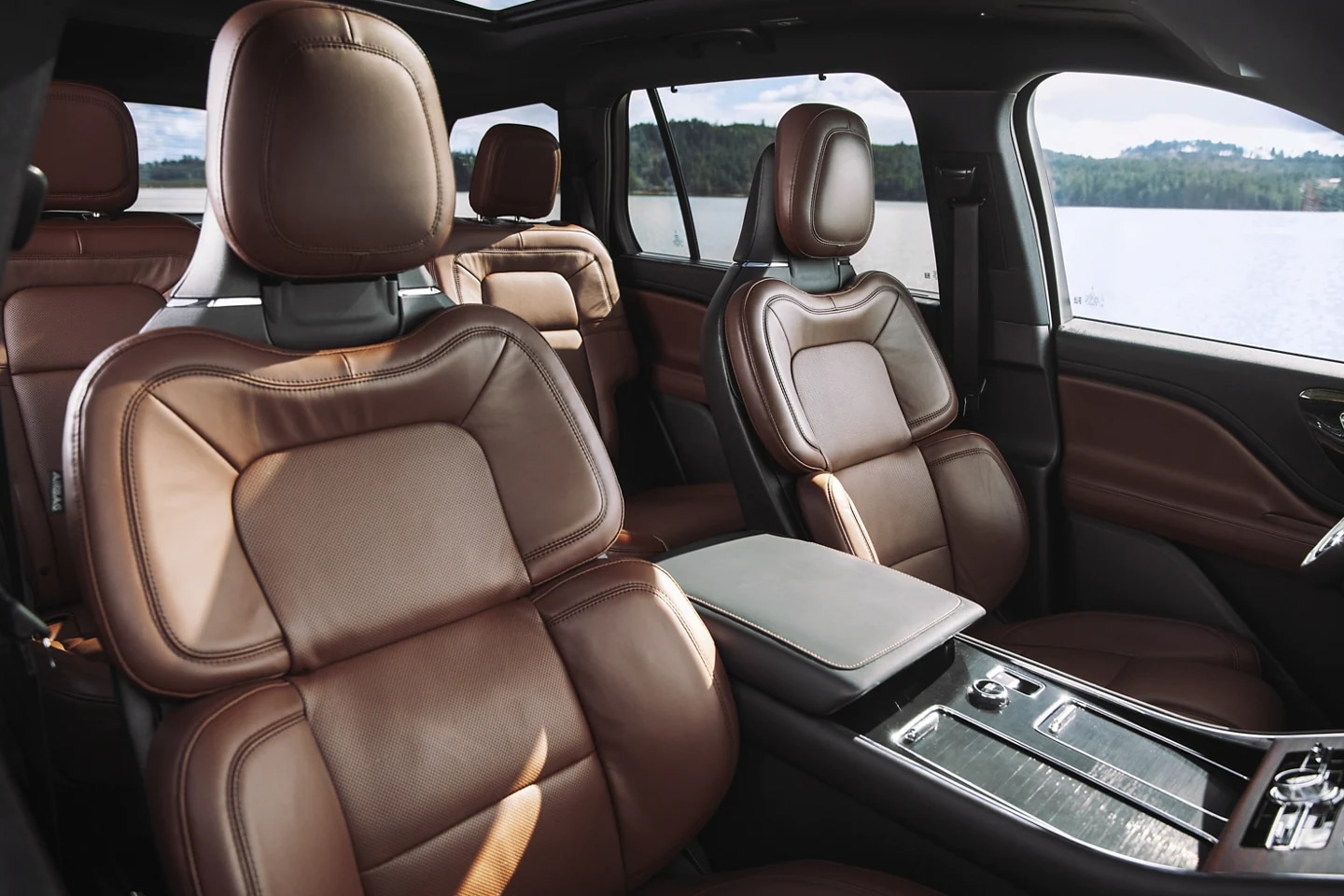
Choosing the right Lincoln SUV to suit your style will depend on what matters most to you. If you are needing to maximize cargo space, there is a Lincoln vehicle for you. Let's research the differences between the cargo capacity of Lincoln's elegant SUV models.

2023 Lincoln Aviator

The 2023 Lincoln Aviator is one of the two mid-size SUVs by Lincoln, with seating for up to seven. The cargo capacity of the 2023 Lincoln Aviator includes 18.3 cubic feet behind the third row of seats, 41.8 cubic feet behind the second row, and 77.7 cubic feet behind the first row.

2023 Lincoln Corsair

The Lincoln Corsair is smallest Lincoln SUV, but smallest doesn't mean that it doesn't have ample cargo space. The 2023 Lincoln Corsair has 27.6 cubic feet of space behind the second row of seats, and 57.6 cubic feet behind the first row.

2023 Lincoln Nautilus

The 2023 Lincoln Nautilus, alongside the Lincoln Aviator, are mid-size SUVs. The Lincoln Nautilus comes with 37.2 cubic feet behind the second row of seats and 68.8 cubic feet behind the first row.

2023 Lincoln Navigator

The Lincoln Navigator is largest Lincoln SUV. Inside the Lincoln Navigator, you can find seating for up to eight passengers and includes 20.9 cubic feet of space behind the third row of seats, 63.6 cubic feet behind the second row, and 103.4 cubic feet behind the first row.

Explore Lincoln SUV Inventory in New Bern, NC

Depending on what type of Lincoln SUV you are searching for, the team at Lincoln of New Bern is here to help. If cargo space is important, we can get you behind the wheel of the Lincoln SUV that matches both your lifestyle, and the road ahead.

Recommended Posts

Hello world!

Welcome to WordPress. This is your first post. Edit or delete it, then start writing!

Know Your Lincoln Parts: Car Engine FAQs

Know Your Lincoln Parts: Car Engine FAQs

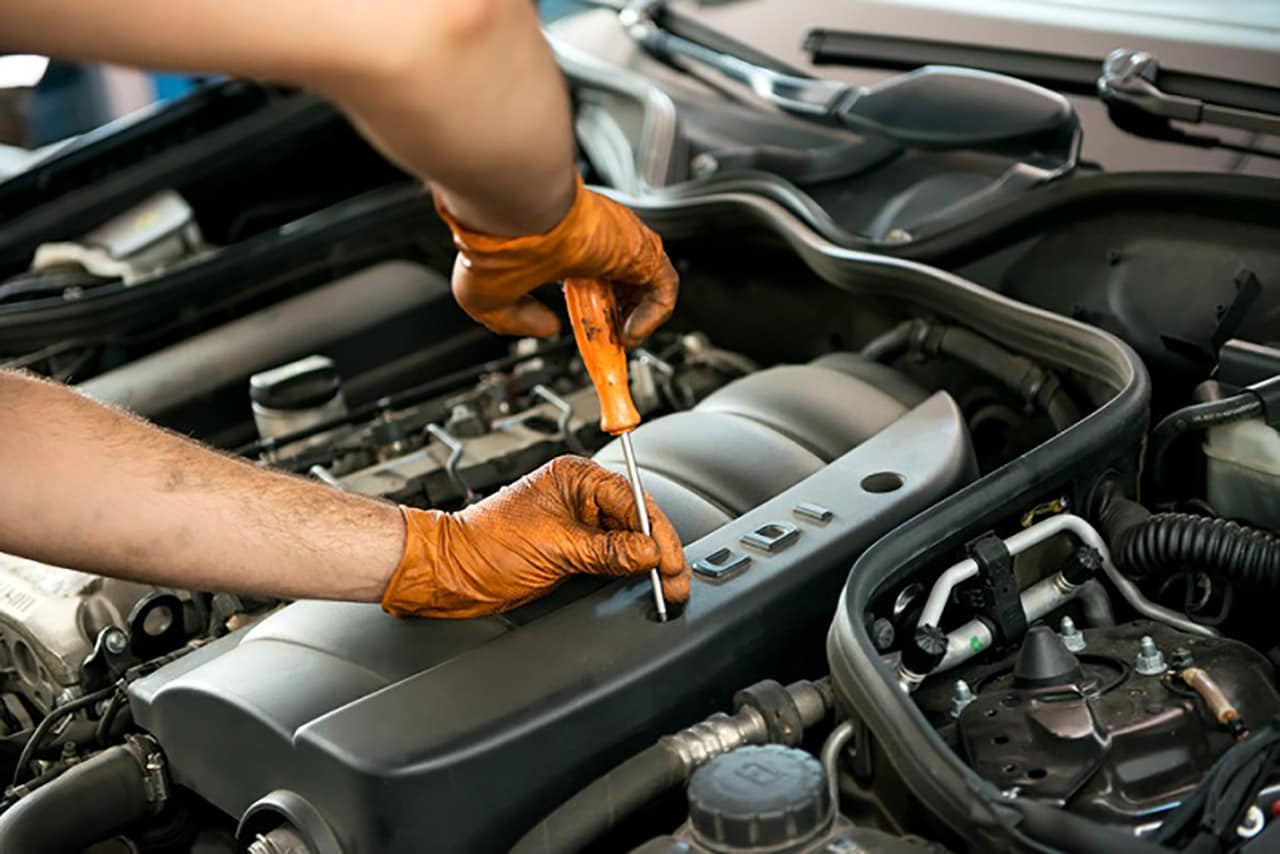
In order to take great care of your Lincoln vehicle, it pays to know how it works. While you don't need to become an expert, understanding major Lincoln parts is a smart idea. Here are some basics about your engine: How Does it Work? Your vehicle utilizes an internal combustion engine. This takes the heat generated from burning gas to create torque. This torque is then sent to the wheels to get the car moving. Engines are comprised of many parts that all work in conjunction with one other. These include the engine block, pistons, and crankshaft. The pistons move up and down to spin the crankshaft, which gets the wheels going. How Many Different Types of Engines are There? All gas-powered cars have internal combustion engines, but there are many varieties. Turbo- and supercharged engines, for example, provide additional power, as they are designed to pump extra air into the engine, which results in more oxygen and more fuel to burn. Diesel engines also offer increased power - and torque - but they don't have sparkplugs. Engines also come with a different number of cylinders. The more of these you have, the faster that crankshaft gets turned, which results in more power. What's the Best Way to Maintain an Engine? One of the great things about an engine is that you don't have to worry about it too much, as it mostly can take care of itself. However, regular maintenance is vital, and this has to include oil changes. When fresh oil flows through the engine, this ensures that it runs as cleanly and efficiently as possible, which boosts both performance and gas mileage. Is your Lincoln due for an oil change? Just make an appointment with the service center at Lincoln of New Bern.

When is APR Used

When is APR Used?

When it comes to buying a car, you want a trusted dealer that will make sure you completely understand your agreement. That's why you've come to Lincoln of New Bern, where your trust and satisfaction are highly valued. We make it our mission to explain all the gory details of the car buying process so you are guaranteed to leave with total confidence in your purchase and a smile. So, what is APR anyway? It stands for Annual Percentage Rate, or the total amount of interest paid on your car loan over one year, including the fees and charges of initiating and maintaining the loan. This means that an APR is only used when you purchase a car and take out a loan, it is not used for leases. APR varies depending on the loan offer, and whether its a good or bad APR really depends on the economy, your individual tolerances and qualifications. A high APR means higher, short-term payments. A low APR means a lower monthly payment, but loans of this kind are dependent upon a strong economy and a high credit score for the borrower. APR versus Money Factor Simply put, if you're leasing a car, your monthly payments include depreciation, taxes, and interest, and the money factor determines the interest charge. In this way, a money factor is used in lieu of APR. Are they equivalent? Not really. Then why are money factors even a thing? Because leases require more specific components in the equation, making it much harder to calculate in the conventional way. So, instead, we use a money factor. Nonetheless, calculating the equivalent APR for your lease can still be helpful. You can convert your money factor into the more commonly used APR by simply multiplying the money factor by 2,400. Money Factor x 2,400 = APR For example: (0.03) x 2,400 = 7.2% Do you still have questions about APR or other car financing terms? Contact our staff at Lincoln of New Bern or visit us at our dealership located in Craven County. Finance Center Contact Us