
Blog

Why Should Drivers Consider an Extended Warranty for their Lincoln?

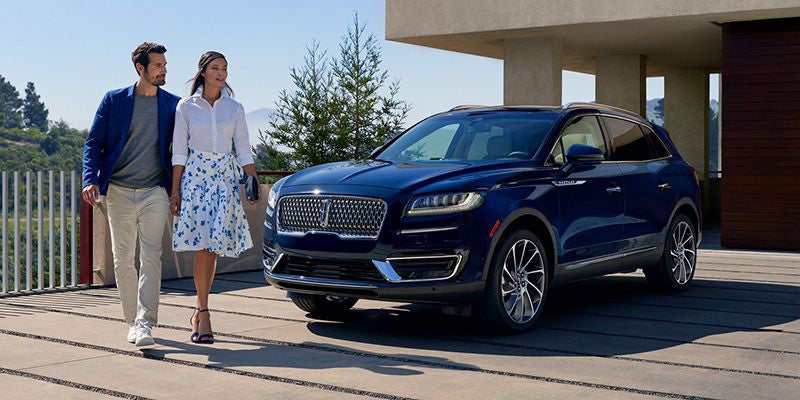
A couple walking toward a blue SUV parked in a modern driveway.

Reliability is key when buying or leasing a new vehicle, and its something you can expect with every Lincoln. But when problems do come up, your car warranty is there to save the day by covering the expenses.

Unfortunately, the factory warranty will eventually end, along with your coverage, which is why it might be a good idea for you to consider buying an extended warranty. However, many drivers are unsure whether purchasing an extended warranty on their vehicle is worthwhile. So, what are some reasons you might consider an extended warranty for your Lincoln?

You Plan on Keeping the Vehicle for a Long Time

If you're the type of person who gets tired of a car after a couple of years, maybe purchasing an extended warranty wouldn't make much sense for you. But if you plan on driving this car long after the 2 or 3 year period that is covered by the factory warranty, then an extended warranty is definitely something you should consider.

Maintaining and repairing a vehicle can get expensive, and as it ages you'll be in the garage more and more frequently. So, if you want to avoid out-of-pocket costs for the long-term, the extended warranty is a great option.

Your Vehicle Drives Long Distances, Operates in Harsh Conditions, or is Heavily Used

Reflecting on how your vehicle will be used can be helpful in determining whether you should consider an extended warranty. For example, do you tow a lot of heavy equipment or drive in tough-terrain? Do you live in an area with extreme temperatures or road conditions? Do you drive far distances or live in the city where your car is more susceptible to wear and tear?

It also might be helpful to compare how often you've needed repairs in the past and weigh it against the cost of the extended warranty. Of course, no two vehicles are exactly alike, so this will only give you a rough estimate of the maintenance costs you can expect based on your driving habits. Also, surprises happen - so if you want guaranteed peace of mind for the long-term, then the extended warranty is your best bet.

You Want to Reduce Stress

Nothing is worse than having expensive car issues during the holidays or other financially tight times. Having an extended warranty on your vehicle can reduce the stress on your mind and wallet when problems do occur.

So, you won't have to choose between replacing your transmission and taking that much-needed vacation you've been looking forward to because, with an extended warranty, you can do both! This can make a world of difference for you and your family, so consider carefully and talk through it with one of our expert staff at Lincoln of New Bern.

If you have any questions or would like to talk to one of our knowledgable staff, contact us at Lincoln of New Bern for more information!

Recommended Posts

Hello world!

Welcome to WordPress. This is your first post. Edit or delete it, then start writing!

Know Your Lincoln Parts: Car Engine FAQs

Know Your Lincoln Parts: Car Engine FAQs

In order to take great care of your Lincoln vehicle, it pays to know how it works. While you don't need to become an expert, understanding major Lincoln parts is a smart idea. Here are some basics about your engine: How Does it Work? Your vehicle utilizes an internal combustion engine. This takes the heat generated from burning gas to create torque. This torque is then sent to the wheels to get the car moving. Engines are comprised of many parts that all work in conjunction with one other. These include the engine block, pistons, and crankshaft. The pistons move up and down to spin the crankshaft, which gets the wheels going. How Many Different Types of Engines are There? All gas-powered cars have internal combustion engines, but there are many varieties. Turbo- and supercharged engines, for example, provide additional power, as they are designed to pump extra air into the engine, which results in more oxygen and more fuel to burn. Diesel engines also offer increased power - and torque - but they don't have sparkplugs. Engines also come with a different number of cylinders. The more of these you have, the faster that crankshaft gets turned, which results in more power. What's the Best Way to Maintain an Engine? One of the great things about an engine is that you don't have to worry about it too much, as it mostly can take care of itself. However, regular maintenance is vital, and this has to include oil changes. When fresh oil flows through the engine, this ensures that it runs as cleanly and efficiently as possible, which boosts both performance and gas mileage. Is your Lincoln due for an oil change? Just make an appointment with the service center at Lincoln of New Bern.

When is APR Used

When is APR Used?

When it comes to buying a car, you want a trusted dealer that will make sure you completely understand your agreement. That's why you've come to Lincoln of New Bern, where your trust and satisfaction are highly valued. We make it our mission to explain all the gory details of the car buying process so you are guaranteed to leave with total confidence in your purchase and a smile. So, what is APR anyway? It stands for Annual Percentage Rate, or the total amount of interest paid on your car loan over one year, including the fees and charges of initiating and maintaining the loan. This means that an APR is only used when you purchase a car and take out a loan, it is not used for leases. APR varies depending on the loan offer, and whether its a good or bad APR really depends on the economy, your individual tolerances and qualifications. A high APR means higher, short-term payments. A low APR means a lower monthly payment, but loans of this kind are dependent upon a strong economy and a high credit score for the borrower. APR versus Money Factor Simply put, if you're leasing a car, your monthly payments include depreciation, taxes, and interest, and the money factor determines the interest charge. In this way, a money factor is used in lieu of APR. Are they equivalent? Not really. Then why are money factors even a thing? Because leases require more specific components in the equation, making it much harder to calculate in the conventional way. So, instead, we use a money factor. Nonetheless, calculating the equivalent APR for your lease can still be helpful. You can convert your money factor into the more commonly used APR by simply multiplying the money factor by 2,400. Money Factor x 2,400 = APR For example: (0.03) x 2,400 = 7.2% Do you still have questions about APR or other car financing terms? Contact our staff at Lincoln of New Bern or visit us at our dealership located in Craven County. Finance Center Contact Us